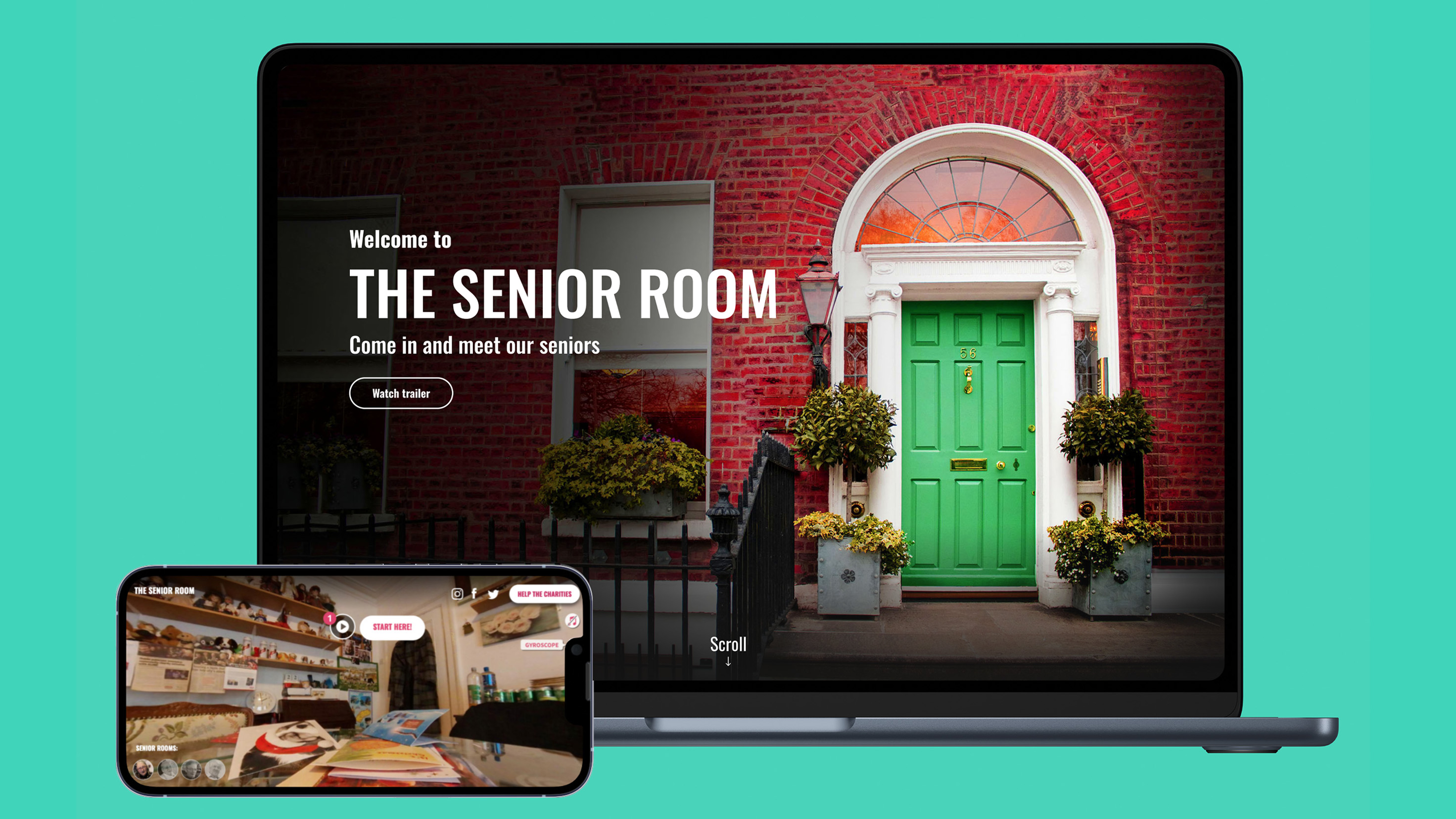
On this responsive website, visitors are invited to enter the participants homes and/or related places, immersing into a 360 degree environment where they can find interactive hotspots guiding the users through their stories in the shape of videos, text and photography pop-ups. We wish to provide an alternative for charities to spread their message throughout social media and awareness campaigns with regards to loneliness, depression and physical limitations within the older people in our community. Older people often lack a source where they can share their stories due to the digital divide and this is an opportunity to bring these stories to the digital platforms.

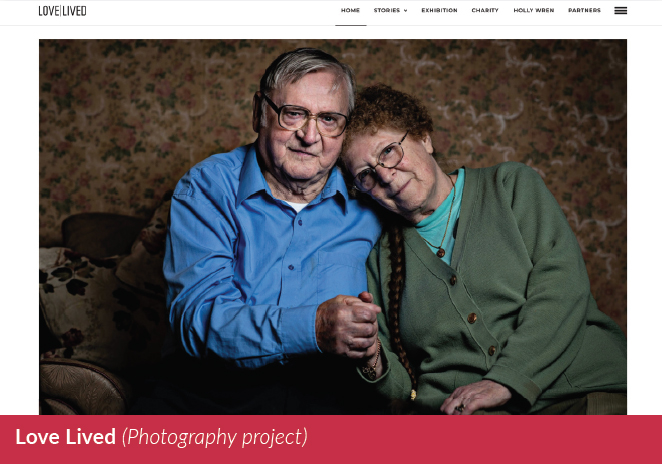

The Senior Room drew inspiration from various campaigns and projects highlighting the experiences of older people. ALONE’s Christmas Memories video raised awareness about loneliness during festive times and showcased efforts to support older individuals with events and gifts like Christmas trees. Holly Wren’s photography project Love Lived captured older couples’ romantic stories, fostering empathy through their reflections and advice. Additionally, Channel 4’s Old People's Home for 4 Year Olds demonstrated the benefits of intergenerational interaction, where planned activities between children and older adults improved children’s empathy and vocabulary while reducing depression and improving physical well-being in older participants.
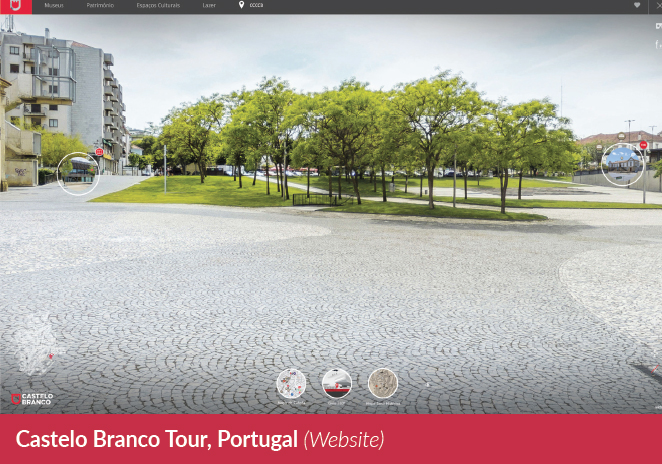

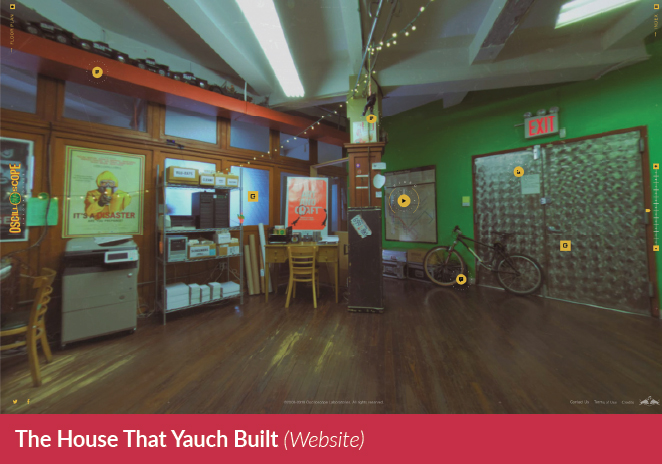
From a pratical execution perspective, the project took inspiration from interactive 360-degree websites like Castelo Branco Tour, the Salvation Army Open Home, and The House that Yauch Built. The Senior Room used a virtual tour format to highlight the lives of older people and the work of supporting charities. Visitors can explore spaces like Annette’s home, where ALONE helps her combat loneliness, and Friends of the Elderly headquarters, where John showcases weekly gatherings filled with tea, friendship, and live music.
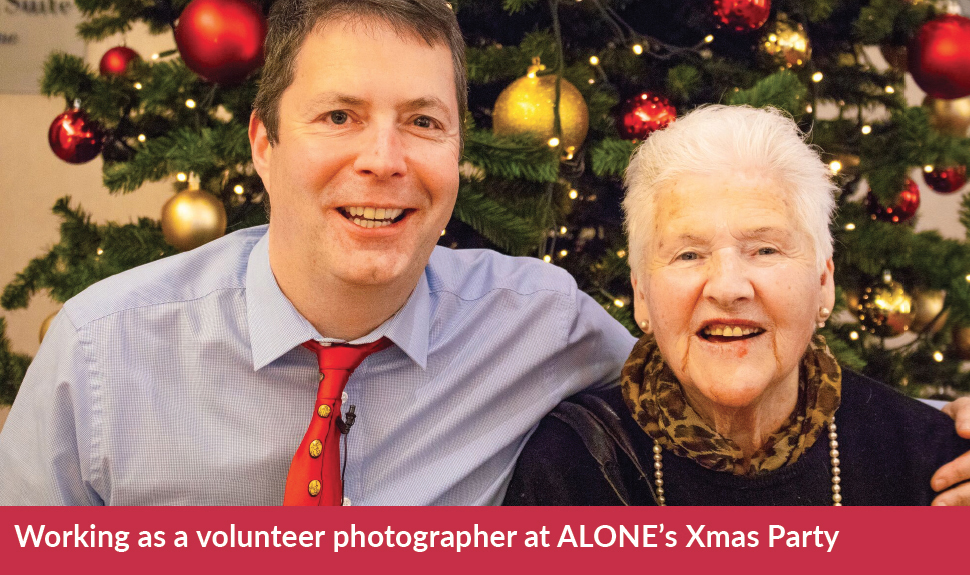


The approach taken to the project was based on Design Thinking, where I would first need to empathize with the charities and the people involved. Each charity, although providing similar services, works differently. I’ve decided to visit ALONE and Friends of The Elderly and became a volunteer to offer my services as a photographer and videographer in exchange of getting their help during the entire project duration. I’ve also applied for Garda Vetting in order to kick-off the project without taking staff time. At the same time I was reading reports such as the National Loneliness Taskforce and marketing campaigns from ALONE as supporting research.
Thanks to this approach, both charities supported me with sourcing the perfect candidates for my project.


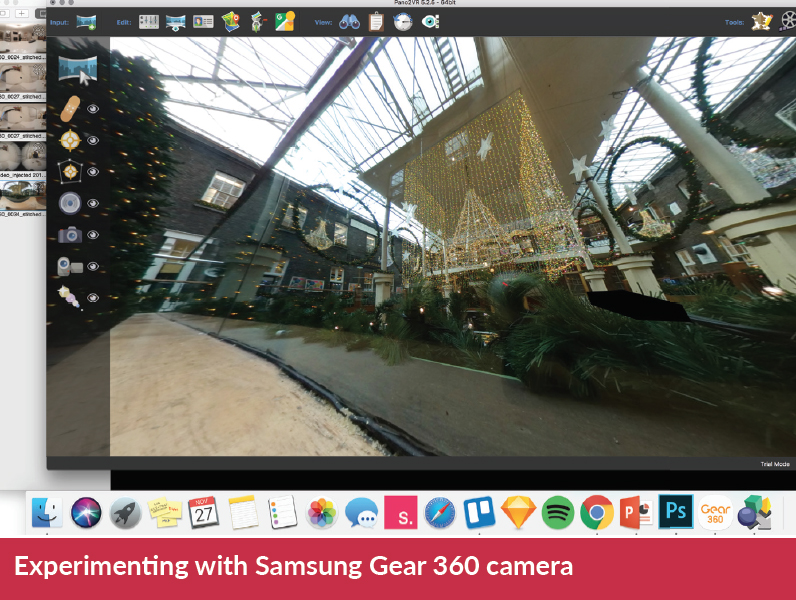
Gaining the charities’ support was essential before moving to a technical format. I’ve taken a 360 degree camera and started experimenting inside my own house and at public spaces such as the Powerscout Centre (where I’ve filmed ALONE’s Christmas Campaign).
During the same phase I’ve paper-prototyped a living room with interactive hotspots and transferred to the SketchApp in order to create a high-fidelity prototype with menu, logos, images and sample text.
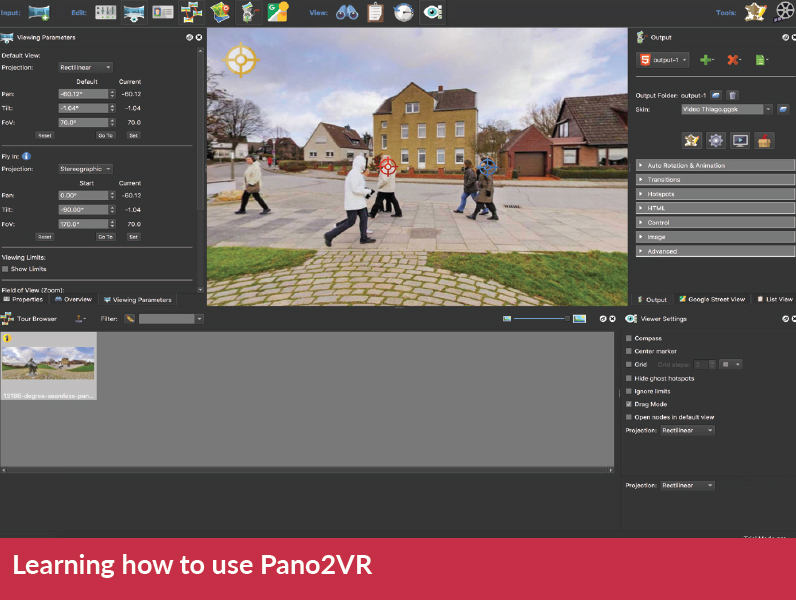
The tool chosen to develop the project was Pano2VR, a virtual tour creation software. I’ve never done anything like this project before, so I was learning how to use the tool throughout the first semester of the project. Videos, icons and photos were edited and created on Adobe’s Suite softwares.
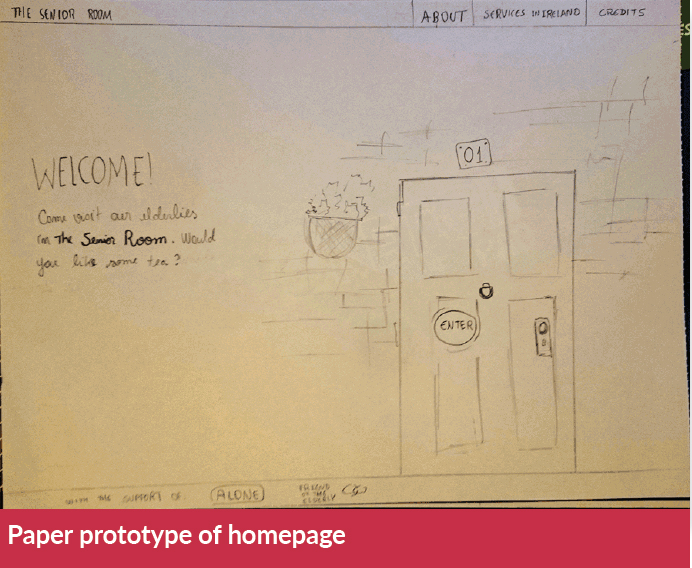
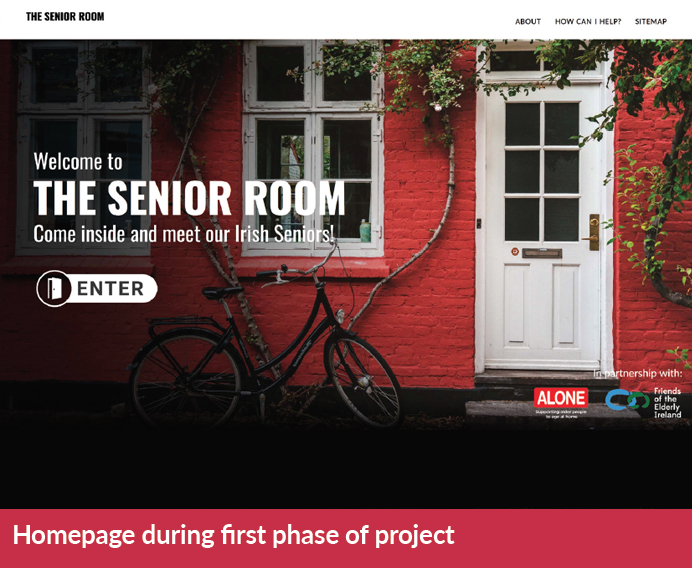
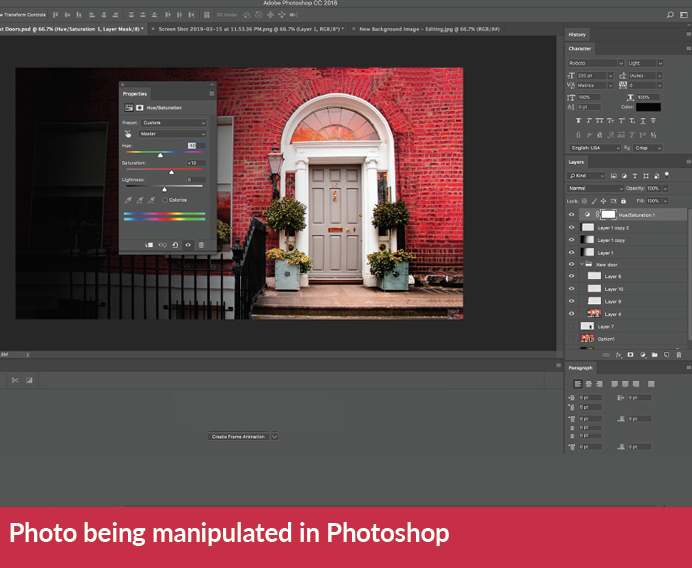
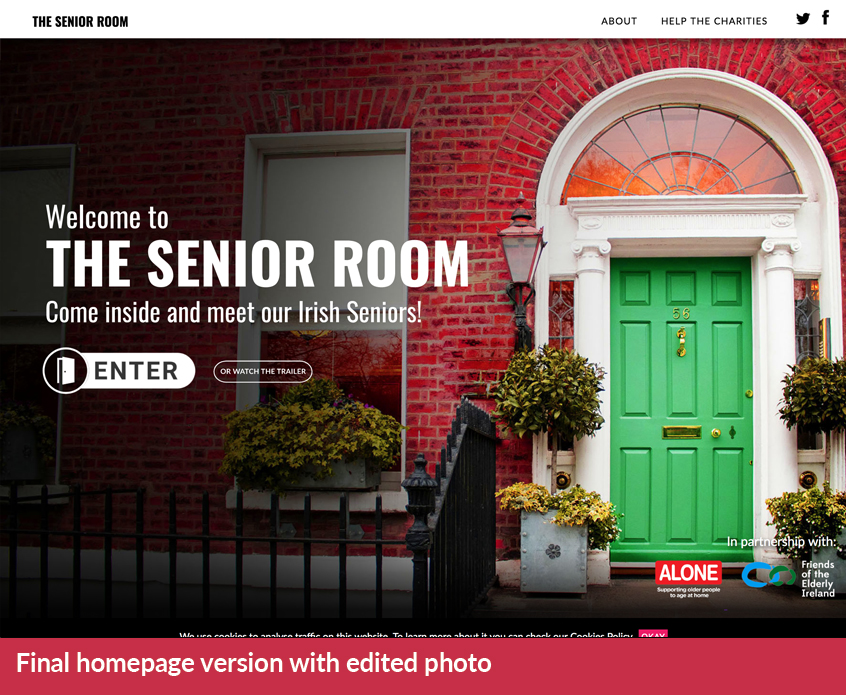
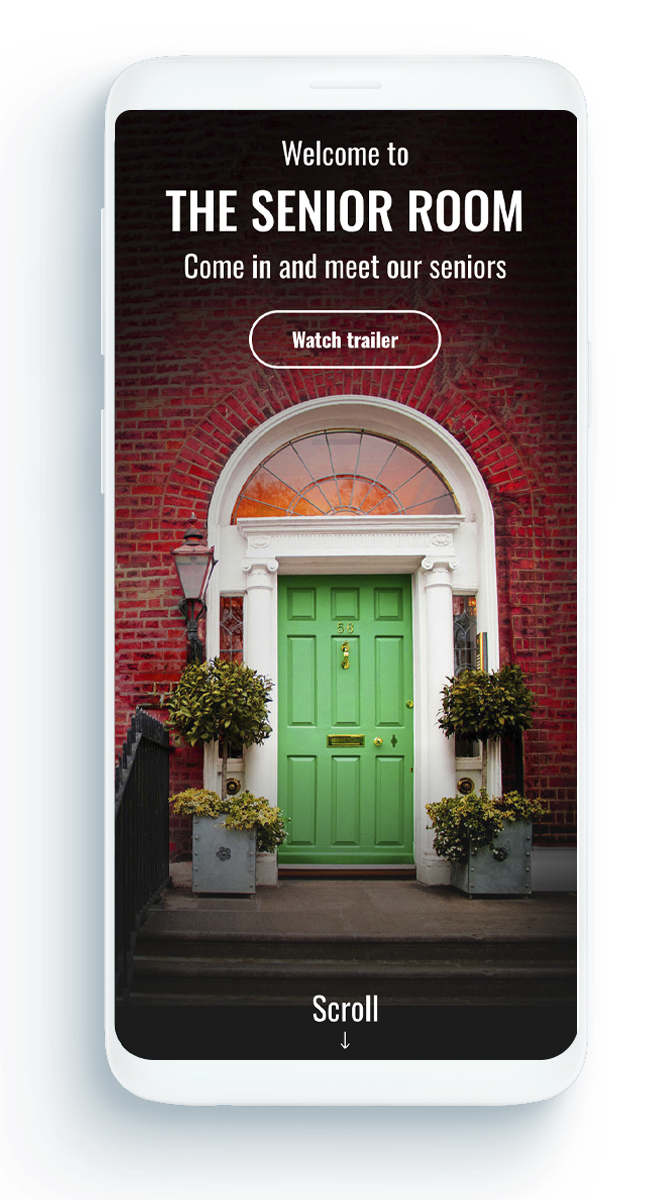
The Senior Room should be an interactive website where people would feel welcomed into the older people’s homes or charity headquarters, so the official image of the project is a front door. During the first phase of the project I’ve researched for stock imagery that would be used as a mock-up and placement before going out in the streets of Dublin looking for the perfect door. Since the project is about Irish Seniors, I’ve decided to then use a Georgian architecture as influence.
During the second phase of the project I’ve visited places like Stephen’s Green square and Fitzwilliam Square with my professional camera. I’ve taken pictures of various doors of different colours, but I’ve decided to use a neutral colour door in Fitzwilliam Square and manipulate it on Photoshop to make it look unique, with a vibrant background and green wood. This would fulfill the Georgian style and the clue to Irish background. The final homepage was developed with HTML5, CSS and Javascript on Atom, a text editor focused on development.

Being able to choose which room to visit when entering the website gives the user the power over the experience. The interface was created with principles of Material Design, a Design language created by Google.
The use of separate cards, one for each room, helps the user separate each information in different blocks. Each card also has a button with shadows and one colour for each participant. Throughout Homepage and Choosing Room interfaces, we can see items that are persistent such as the top menu with the buttons “About” and “Help the Charities”, which displays information about the project itself and each charity. The bottom-right section of the interface displays the partner logos, and clicking on them will redirect users to each specific website.


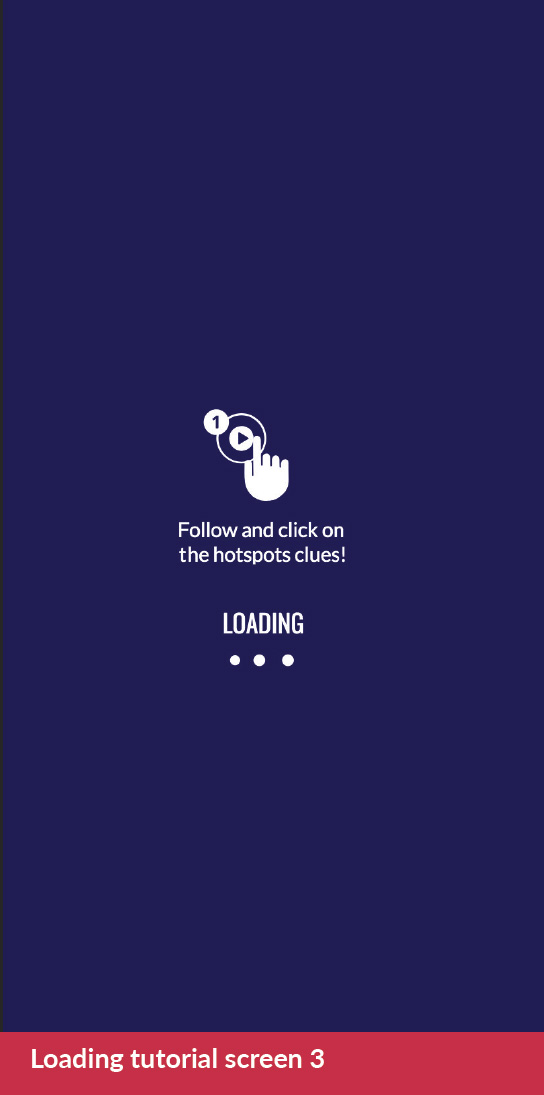
In order to load all the assets necessary I’ve decided to add a ‘fake’ loading screen. Before user testing, I’ve assumed only displaying the ‘Loading’ text was enough, but during tests I’ve noticed (and heard) that the screen seemed to take longer than it actually was. I then decided to move all the tutorial to the loading screen with 3 seconds between each step (three steps in total), giving this loading time a purpose. The screens display that: 1) Headphones are recommended since the experience involves sound; 2) Click and drag, as this is a 360 degree experience and 3) Follow the user-guided experience with numbers and hotspots.


The mobile version of the project works across Android and modern iOS devices. The user interface is reduced with no charity logo (to avoid clutter) and displaying the Gyroscope icon, which permits users to immerse in the room with moving the phone instead of clicking/taping the screen to observe the environment. The iOS version hides the option of ‘Entering Fullscreen’ since their native browsers has an alternative method for fullscreen, which is embedded on the iOS interface. The mobile version also displays a message to rotate the screen after loading each room.

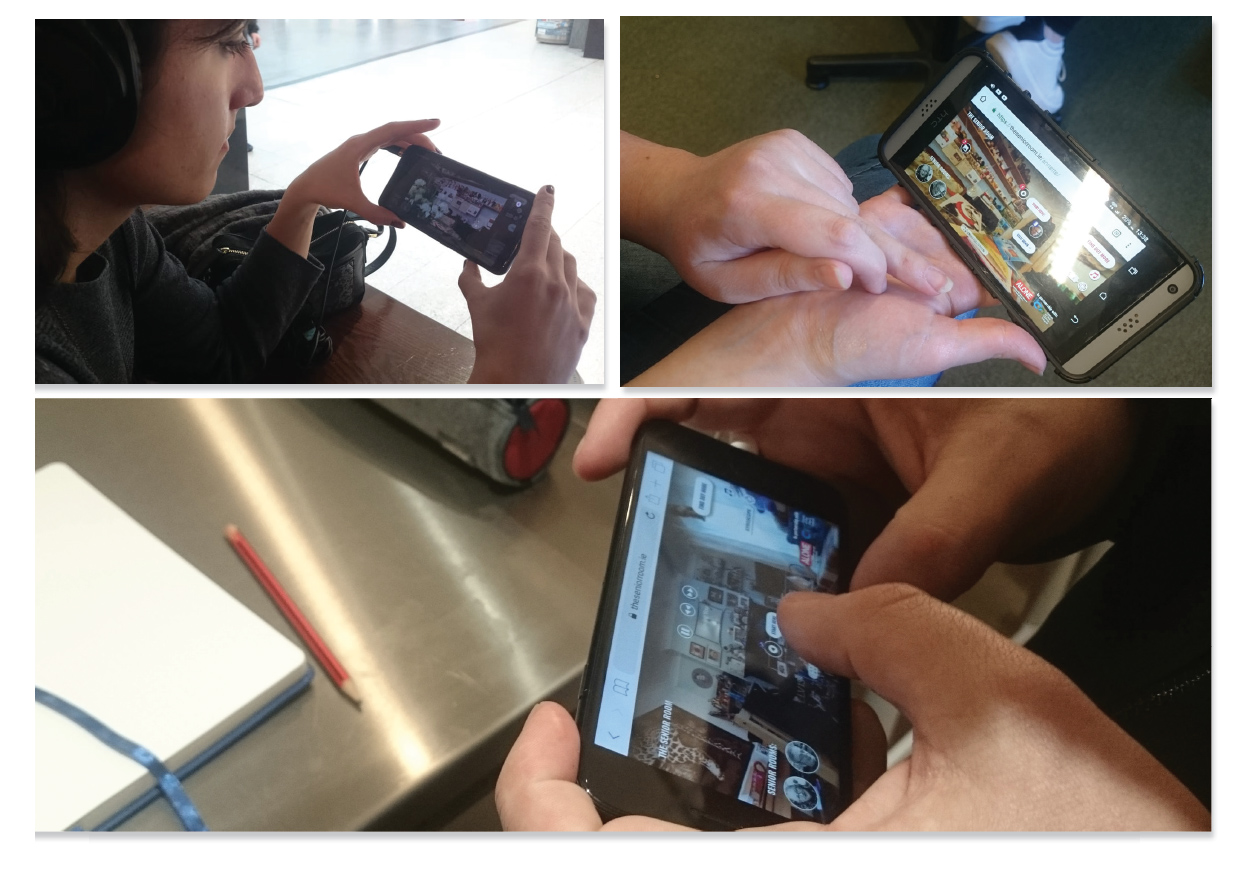
A total of 5 participants were the key user testers. The tests were held with people I’ve met in various Design events. They were chosen due to their high interaction with technology and use of social media, being part of The Senior Room’s target audience. The test was held following the Lean UX methodology; a set of tasks was scripted and put on a Google Spreadsheet and was placed to test the assumptions done during the development (such as best button placement for users) and validating them through observation, users speaking-out-loud and rating how successful they were on each assigned task.
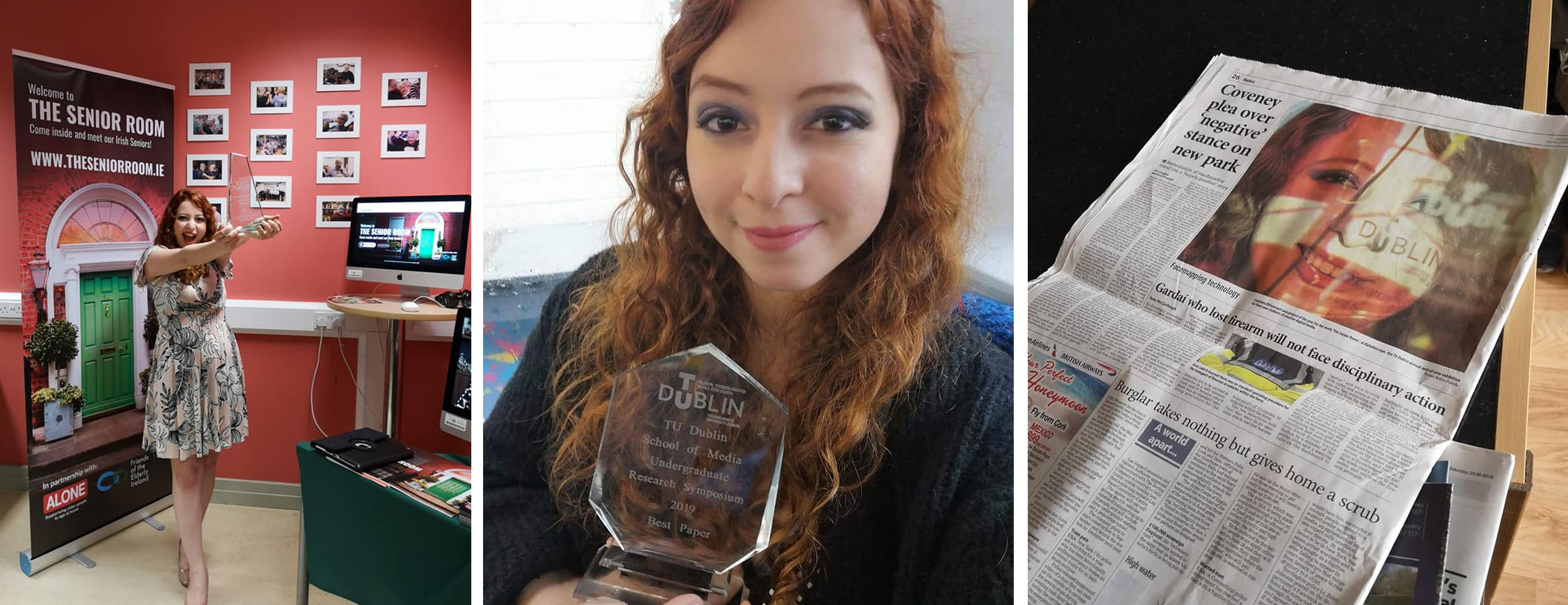
The Senior Room has been awarded Best Project of The Year at the Kaleidoscope 2019 event hosted by Technological University Dublin - Blanchardstown Campus and Best Paper at the Research Media Symposium hosted by the Technological University Dublin. It has been gaining recognition also in the press, such as a feature at the Irish Examiner.
The goal of this project was to inspire people to make a difference. Spreading the message is the main purpose of this project and the charities have contributed by providing me with participants and sharing the project on their social media. The most valuable aspect of the project is how it affected me as well: I’ve made friends during the interview and screening processes. Each person is unique and brings their quirkness into the world, and being able to see these people through an inside lens was eye-opening and broke many stereotypes during both semesters. This is the exact impact I would like younger people to feel: We are able to empathise through kindness, which is one of the few things many of our elderlies ask for.
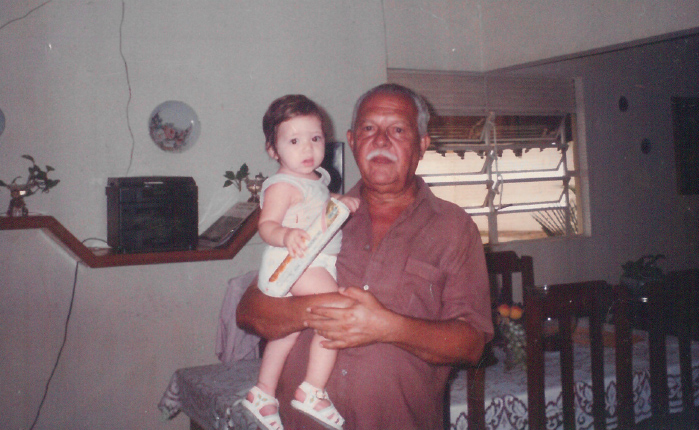
This project is a dedication to my late grandfather, Simonedes Bittencourt. A man who dedicated his life to the well-being of his family. I’m thankful he lived a life where he always had a house full of people to bring him joy. I wish every person alive has the opportunity to spend their lives surrounded by people they love and people that appear during their journey through fighting loneliness. I would also like to thank my supervisor, Nicola Duffy, and the Creative Digital Media department at TU Dublin - Blanchardstown Campus for all the support and recognition during this project.